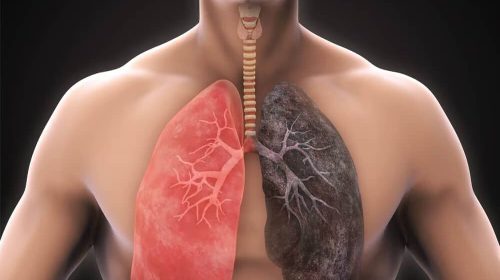
Overview. Chronic obstructive pulmonary disease (COPD) is a common lung disease causing restricted airflow and breathing problems. It is sometimes called emphysema or chronic bronchitis.
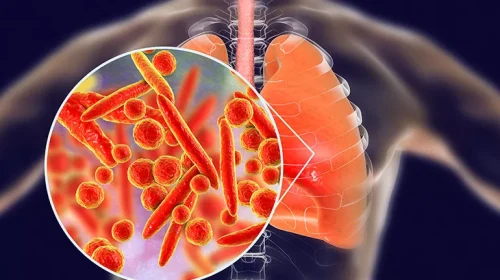
Pneumonia is an infection that affects one or both lungs. It causes the air sacs, or alveoli, of the lungs to fill up with fluid or pus. Bacteria, viruses, or fungi may cause pneumonia.
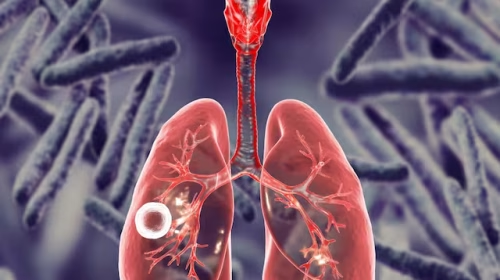
Tuberculosis (TB) is a serious illness that mainly affects the lungs. The germs that cause tuberculosis are a type of bacteria. Tuberculosis can spread when a person with the illness coughs, sneezes or sings
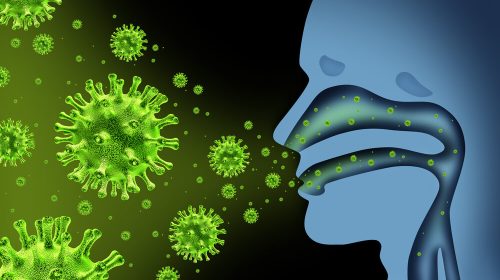
Respiratory tract infection (RTI) is defined as any infectious disease of the upper or lower respiratory tract. Upper respiratory tract infections (URTIs) include the common cold, laryngitis, pharyngitis/tonsillitis, acute rhinitis, acute rhinosinusitis and acute otitis media.
An abnormally high immunologic sensitivity to certain stimuli such as drugs, foods, environmental irritants, microorganisms, or physical conditions, such as temperature extremes.